Can Pressure Cleaning Damage Concrete? Risks Explained
@archerpddc585
Pressure cleaning is one of the most effective ways to restore driveways, paths, patios and pool surrounds across Lismore. It removes mould, algae, grime and stains that build up quickly in the Northern Rivers climate. But yes, pressure cleaning can damage concrete if it is done with the wrong equipment, pressure settings or technique. Understanding the risks helps you decide whether to tackle the job yourself or hire a professional.
Why Concrete Can Be Damaged by Pressure Washing
Concrete looks tough, but its surface is more delicate than most people realise. The top layer, often called the "cream" or paste layer, is a thin skin of cement and fine sand that gives the slab its smooth finish. Beneath it sits the aggregate (stones and coarse sand). Once the cream layer is stripped away, the slab becomes rougher, more porous and more prone to staining and wear.
Concrete is also naturally porous. Water forced into the surface under high pressure can penetrate hairline cracks and joints, and if the slab is already weakened, this can make existing problems worse.
Common Types of Concrete Damage From Pressure Cleaning
Surface Etching and Streaking
Holding the nozzle too close or using a pencil-point tip can carve visible lines into the surface. These marks, often called "zebra stripes" or wand marks, are difficult to fix once they appear. They are one of the most common mistakes in DIY jobs.
Exposed Aggregate
Excessive pressure strips away the cement paste and exposes the stones beneath. On a plain broom-finished or smooth slab, this leaves a pitted, uneven texture. On a purposely exposed aggregate driveway, too much force can dislodge the stones themselves, leaving gaps and loose patches.
Spalling and Pitting
Spalling is when small chips or flakes break away from the surface. It is more likely on older slabs, concrete that was poorly mixed or finished, and surfaces already damaged by moisture or freeze-thaw cycles. Pressure cleaning can accelerate it by blasting away weakened material.
Damaged Joints and Sealants
High-pressure water can blast out the sand or flexible sealant in expansion and control joints. Without it, weeds can grow, water can seep under the slab and the edges of panels can start to move or crumble.

Damage to Sealers and Coatings
If your concrete has been sealed, painted or coated with an epoxy or decorative finish, aggressive pressure cleaning can strip or peel it. Decorative finishes such as stamped, stencilled or coloured concrete are particularly vulnerable because the colour and pattern sit in the surface layer.
Water Intrusion and Collateral Damage
Pressure can force water behind weep holes, under door seals, into wall cavities and beneath loose paving. Stray spray can also damage nearby garden beds, timber, paint and window seals.
Lismore-Specific Factors to Consider
Lismore's subtropical climate and flood history add some local considerations:
- High humidity and rainfall: Mould, mildew and algae grow quickly on shaded concrete, so many homes need regular cleaning. Frequent aggressive cleaning wears the surface down over time, so gentler methods are better for routine maintenance.
- Flood-affected slabs: Concrete that has been inundated may have silt in the pores, undermined edges or small cracks. These slabs need a careful assessment before heavy pressure is applied.
- Older concrete: Many Lismore properties have decades-old slabs with worn surfaces. Older concrete is generally softer and more fragile than new work.
- Stormwater and runoff rules: Wash water carrying detergents, sediment or contaminants should not be allowed to flow into stormwater drains and local waterways such as the Wilsons River. Check current Lismore City Council (Richmond Valley and Lismore area) guidance and use appropriate containment or wastewater recovery where required.
How Much Pressure Is Safe for Concrete?
Many sound, well-cured concrete surfaces can handle somewhere around 2,500 to 3,500 PSI when the correct technique is used, but this is a general guide only. The right setting depends on the age, finish, condition and purpose of the surface. Newly poured concrete should generally cure for at least 28 days, and often longer, before any pressure cleaning.
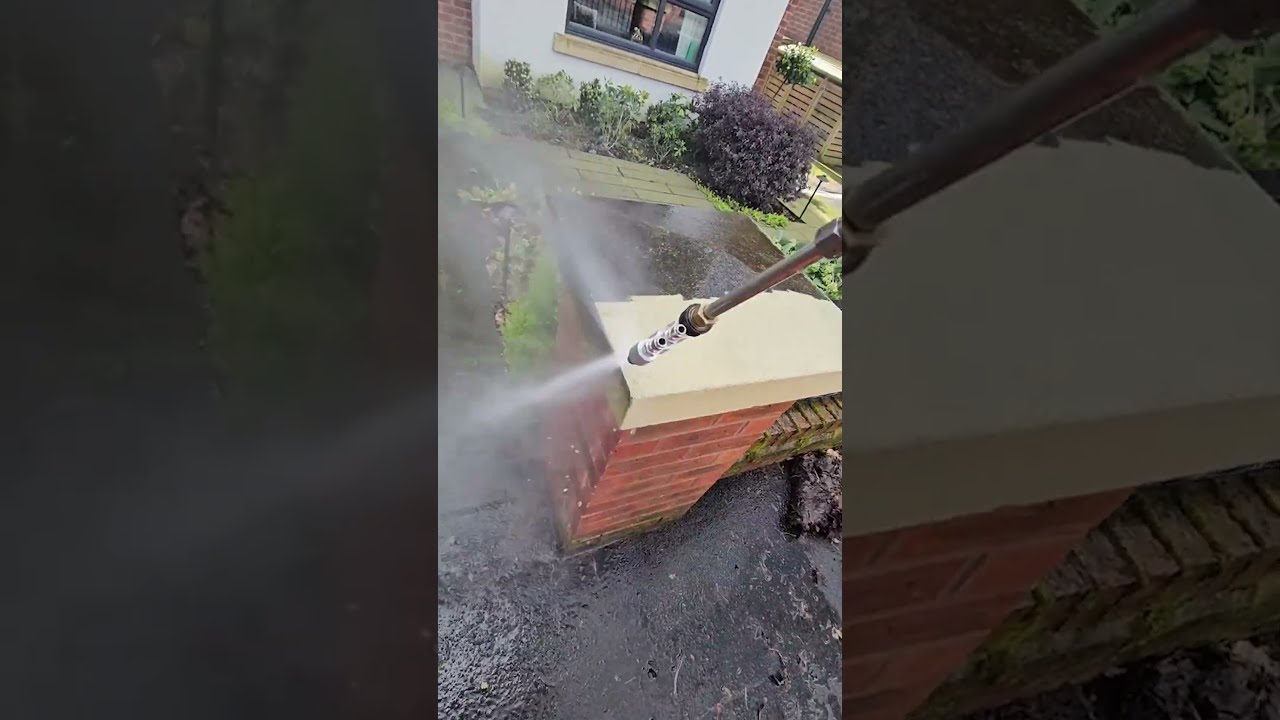

Pressure is only part of the equation. These factors also matter:
- Nozzle type: A 25 to 40 degree fan tip spreads the force across a wider area. Zero-degree (red) nozzles should never be used on concrete.
- Distance: Keeping the nozzle roughly 20 to 30 centimetres from the surface reduces the risk of etching.
- Flow rate: Higher water volume (litres per minute) can clean effectively at lower pressure.
- Surface cleaners: Rotating flat-surface cleaners deliver even results and greatly reduce streaking compared with a bare wand.
- Hot versus cold water: Hot water helps break down oils and grease without needing extra pressure.
Safer Techniques That Protect Your Concrete
Professionals typically combine the right equipment with the right cleaning chemistry, rather than relying on brute force. Here are practical steps that reduce the risk of damage:
- Inspect first. Look for cracks, loose sections, flaking, failing sealer and worn joints. Repair or avoid these areas.
- Test a small, hidden area. Check the result before cleaning the whole surface.
- Pre-treat stains and growth. A suitable detergent, mould treatment or degreaser allows you to use lower pressure.
- Use a surface cleaner. This gives an even finish on large flat areas such as driveways and patios.
- Keep the wand moving. Use steady, overlapping passes and never hold the nozzle in one spot.
- Rinse thoroughly. Leftover chemicals can leave residue or harm plants.
- Let it dry, then consider sealing. A quality penetrating sealer helps resist stains and slows regrowth of mould.
Chemicals and Concrete: A Word of Caution
Cleaning solutions can also damage concrete if misused. Strong acids such as hydrochloric (muriatic) acid can etch the surface, and they harm plants, metal and waterways. Chlorine-based products used at the wrong strength can discolour decorative concrete and harm surrounding vegetation. Always follow the manufacturer's directions, wear protective equipment and never mix cleaning chemicals.
For routine mould and algae on concrete, low-pressure application of a suitable treatment, followed by a gentle rinse, is often more effective and much kinder to the surface than blasting it.
Surfaces That Need Extra Care
Exposed Aggregate
Use lower pressure and a wide fan tip, and avoid lingering. Resealing afterwards helps lock the stones in.
Stamped and Coloured Concrete
These finishes rely on surface colour hardeners, release agents and sealers. Use soft washing techniques where possible and expect to reseal periodically.
Pool Surrounds and Paths
Cleaning removes slippery algae, which is an important safety benefit. Avoid overly aggressive cleaning that makes the surface rough or uncomfortable https://penzu.com/p/46ebdb42f6a5fc6e on bare feet, and take care with pool equipment and water quality.
Old, Cracked or Flood-Damaged Slabs
Have the slab assessed first. In some cases, repairs or resurfacing are a better investment than cleaning.
Signs Your Concrete Has Been Over-Cleaned
After a pressure clean, watch for these warning signs:
- Visible stripes, swirl marks or uneven patches
- A rough, sandy texture where the surface was previously smooth
- Exposed stones or pitting
- Rapid re-staining or faster mould growth
- Loose sand or debris in the joints
- Peeling or patchy sealer
A roughened surface holds dirt and moisture more easily, so over-cleaned concrete often needs cleaning again sooner, which can create a cycle of ongoing damage.
DIY or Professional Pressure Cleaning?
Hiring a hand-held unit from a hardware store is tempting, but domestic and hire machines vary widely in output, and it is easy to underestimate how much damage a narrow, high-pressure jet can do. A professional operator brings commercial equipment, an understanding of different surfaces, correct chemical use and wastewater management. If you decide to do it yourself, start with the lowest pressure that works, use a surface cleaner attachment and test an inconspicuous spot first.
When choosing a local provider in Lismore, consider asking:
- Do you assess the surface condition before starting?
- Do you use surface cleaners and adjustable pressure?
- How do you manage wastewater and protect stormwater drains?
- Are you insured, and do you have experience with my type of concrete?
- Can you advise on sealing and ongoing maintenance?
Preventing Future Build-Up
Reducing how often you need to clean also reduces wear on the concrete. Trim overhanging vegetation to increase sunlight and airflow, sweep regularly, clean up oil and food spills promptly, improve drainage where water pools, and apply a quality sealer. In Lismore's humid conditions, a gentle wash or soft-wash treatment once or twice a year is often enough for shaded areas.
Final Thoughts
Pressure cleaning does not have to damage concrete, but the risk is real when pressure is too high, nozzles are wrong, technique is poor or the surface is already compromised. By matching the method to the surface, testing first, using appropriate detergents and considering a sealer, you can restore your Lismore driveway or patio while protecting its strength and appearance for years to come. If you are unsure about the condition of your concrete or the best approach, getting advice from a qualified local pressure cleaning professional is a sensible first step.
Lismore Pressure Cleaning
(02) 6617 2969